




Let’s be honest: your medicine cabinet is a place of hope, healing… and a whole lot of confusion.
Between well-meaning advice from friends, alarming online forums, and tiny print on labels, it’s easy to feel like you need a medical degree just to take care of yourself. At https://medschemicalsuppliers.com/, we believe an empowered patient is a healthier patient. So, we’re pulling back the curtain on four of the most persistent pharmacy myths that cause unnecessary worry and could even put your health at risk.
Myth #1: “Antibiotics Make Your Birth Control Pill Less Effective.”
The Verdict: Mostly False, with One Big Caveat.
This is perhaps the most widespread medical myth. The fear is real, but the risk is often misunderstood.
- The Truth: Only one specific antibiotic, rifampin (used to treat tuberculosis and some serious infections), has strong, proven evidence of interfering with hormonal birth control, making it less effective.
- The Common Culprit: The vast majority of antibiotics you’re prescribed for a sinus infection, UTI, or strep throat (like amoxicillin, azithromycin, doxycycline) do not reduce the effectiveness of your birth control pill.
- The Real Risk (The Caveat): If your antibiotic causes severe diarrhea or vomiting, your body may not fully absorb any oral medication, including your birth control pill. This is the physical act of the illness, not a chemical interaction.
Your Action Plan:
- Don’t Panic. If you’re prescribed a common antibiotic, your birth control is almost certainly still protective.
- Ask & Verify. When you pick up your prescription, simply ask your pharmacist: “Is this antibiotic rifampin, or one that could affect my birth control?” We check for interactions as a standard part of our job.
- Use Backup. If you experience severe vomiting or diarrhea for more than 24 hours while on antibiotics, use a backup method of contraception (like condoms) for the rest of that pill pack cycle, just to be safe.
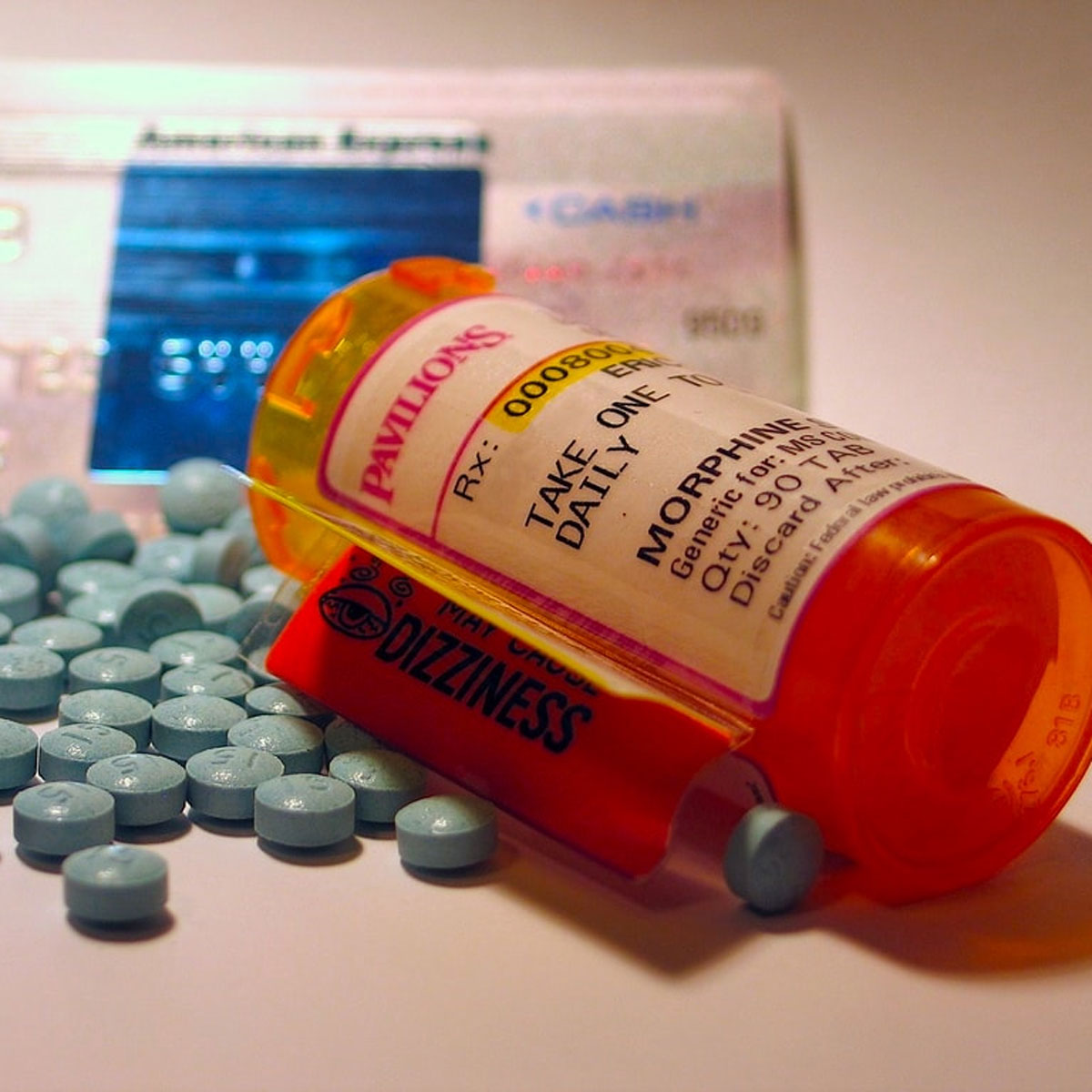
Myth #2: The Pharmacy Label is Just for the Dose and Your Name.
The Truth: It’s a mini-medical record, and the most crucial info is often in the fine print.
Let’s decode a standard label. Beyond your name and „Take 1 tablet daily,“ here’s what you MUST check:
- Rx Number: Your prescription’s unique ID. Use this for refills or questions—it’s faster than your birthday.
- Drug Name & Strength: Is it the same brand, generic, color, and shape as last time? If it changed, don’t worry—but ask us why. It could be a new manufacturer, and we can confirm it’s the same active ingredient.
- Instructions (“SIG”): Look for context. Is it “Take with food” or “Take on an empty stomach”? This drastically affects absorption and side effects. “Apply a thin layer” means just that—more isn’t better.
- Quantity & Refills: Don’t get caught short. “11 Refills” means you have 11 more times you can get this without a new doctor’s order.
- Expiration Date: Check it every time you open the bottle.
Pro Tip: The auxiliary stickers are your best friends. Those extra notes about “May cause drowsiness,” “Do not drink alcohol,” or “Avoid sun exposure” are not suggestions. They are critical safety warnings based on your specific medication.
Myth #3: “Non-Drowsy” Allergy Meds Don’t Affect Your Brain at All.
The Truth: They are “less sedating,” but your brain chemistry is still being changed.
The term “non-drowsy” is a marketing term for second-generation antihistamines like loratadine (Claritin), fexofenadine (Allegra), and cetirizine (Zyrtec). Here’s the neuroscience:
- First-Gen (Drowsy): Meds like diphenhydramine (Benadryl) cross the blood-brain barrier easily, binding to histamine receptors all over your brain, which causes significant drowsiness and cognitive slowing.
- Second-Gen (“Non-Drowsy”): These are designed to be more selective, targeting receptors primarily in your body (to stop itching, sneezing) and less so in your brain. However, they are not 100% selective. Some people (up to 10-15% with cetirizine) still experience noticeable drowsiness or a subtle “brain fog.”
- The Bottom Line: “Non-drowsy” means “less likely to make you sleepy,” not “won’t affect your central nervous system.” Always be cautious the first time you take one before driving or operating machinery.
Myth #4: Expired Medication Is Either Totally Safe or Instantly Poisonous.
The Truth: It’s a spectrum of risk, and one type is dangerously unstable.
The expiration date is the guarantee of full potency and safety up to that point. After that, it’s a gamble.
- Generally Low Risk (But Less Effective): Most solid, oral medications (tablets, capsules) in a dry, cool environment slowly lose potency. An expired blood pressure pill from 3 months ago likely just won’t work as well. The danger is in it not working when you need it to.
- Higher Risk: Toss These!
- Liquid Antibiotics & Suspensions: Once mixed with water, they degrade quickly and can breed bacteria.
- Nitroglycerin (for chest pain): This lifesaving drug becomes dramatically less potent after its expiration date.
- Insulin & Other Injectable Biologics: Very sensitive to temperature and time. Never use past the date.
- Eye Drops: The sterile preservative system breaks down, risking serious infection.
- The ONE You Should NEVER, EVER Use: Tetracycline-class antibiotics (like doxycycline, minocycline) can become toxic after expiration, causing severe kidney damage. If you find old acne or Lyme disease meds, dispose of them immediately.
Safe Disposal: Don’t flush them. Bring expired medications to your pharmacy or a local take-back program.
Your Prescription for Clarity
You deserve to understand what you’re putting in your body. At https://medschemicalsuppliers.com/, our mission is to replace myths with facts and anxiety with confidence.
We invite you to be a partner in your care. Here’s how:
- Ask Us Anything. Seriously. The “silly” question is often the most important one. Use our free 24/7 pharmacist chat.
- Read the Label. Really read it. Then, if something is unclear, ask us to explain it.
- Let Us Be Your Advocate. When you transfer your prescriptions to us, you’re not just getting delivery. You’re getting a team that proactively manages interactions, finds savings, and is always here to decode the complex world of medications for you.
Stop navigating your health in the dark.
ASK A PHARMACIST YOUR “MYTH” QUESTION NOW
TRANSFER YOUR RX TO A PHARMACY THAT EXPLAINS EVERYTHING