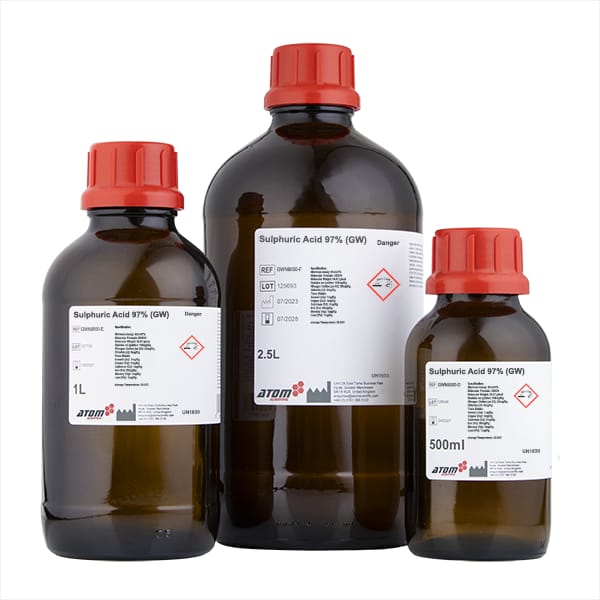
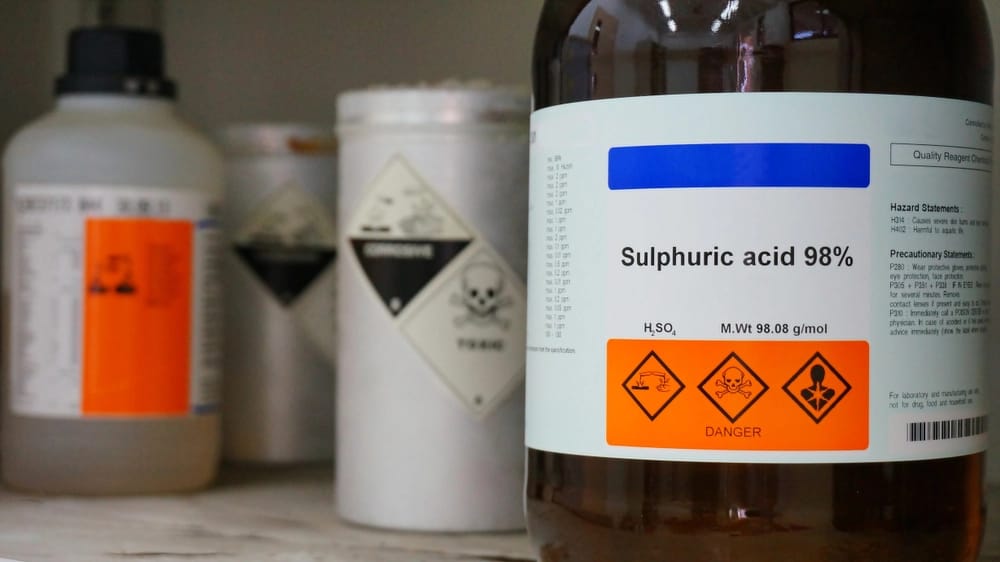
Buy Sulphuric Acid 98% Online as a dangerous corrosive substance (such as sulfuric acid, hydrochloric acid, nitric acid, or hydrofluoric acid), then acid refers to chemicals that can cause serious injury, burns, poisoning, and damage to materials. The danger depends on the type of acid, its concentration, and the amount of exposure.
What makes an acid dangerous?
Acids can damage tissue through corrosive chemical reactions. Strong acids can burn the skin, eyes, mouth, throat, and lungs. Some acids are dangerous even in small amounts.
Common hazardous acids include:
* Sulfuric acid (H₂SO₄): used in car batteries, industry, and laboratories.
* Hydrochloric acid (HCl): used in cleaning products and industrial processes.
* Nitric acid (HNO₃): used in manufacturing and laboratories.
* Hydrofluoric acid (HF): particularly dangerous because it can penetrate deep into tissue and affect the heart and bones.
Health hazards
Skin contact
Strong acids can cause:
* Pain and burning
* Redness
* Blistering
* Deep chemical burns
* Permanent scarring
Eye contact
Acid exposure to the eyes is a medical emergency and can cause:
* Severe pain
* Vision damage
* Corneal injury
* Permanent blindness
Inhalation
Acid fumes or mists can irritate or burn the respiratory tract, leading to:
* Coughing
* Difficulty breathing
* Chest pain
* Lung injury
Swallowing
Ingesting acid can burn the mouth, throat, esophagus, and stomach, and may be life-threatening.
Why hydrofluoric acid is especially dangerous
HF may not cause immediate severe pain, but it can penetrate deeply and bind calcium and magnesium in the body, potentially causing:
* Severe tissue destruction
* Dangerous heart rhythm disturbances
* Death if not treated promptly
Basic safety precautions
When working with strong acids:
* Wear chemical-resistant gloves.
* Use eye protection and a face shield when appropriate.
* Wear protective clothing.
* Work in a well-ventilated area.
* Keep acids in properly labeled containers.
* Store incompatible chemicals separately.
A key laboratory rule is: add acid to water, not water to acid, because adding water to concentrated acid can cause violent splashing.
First aid
For skin exposure:
* Immediately flush with large amounts of running water for at least 15 minutes.
* Remove contaminated clothing.
* Seek medical attention for significant burns.
For eye exposure:
* Flush the eye continuously with water for at least 15–20 minutes.
* Get emergency medical care immediately.
For inhalation:
* Move the person to fresh air.
* Seek medical care if symptoms occur.
For ingestion:
* Do not induce vomiting.
* Rinse the mouth with water if the person is conscious.
* Contact emergency medical services or a poison center immediately.
One important point is that the severity of an acid injury is not determined only by pH. Concentration, contact time, temperature, and the specific acid all matter. Hydrofluoric acid, for example, can be extremely dangerous despite sometimes causing deceptively mild early symptoms.






Reviews
Clear filtersThere are no reviews yet.