What Is Heroin?
Heroin Buy Heroin Online (diacetylmorphine) is a semi-synthetic opioid derived from morphine, a natural substance extracted from the seed pod of the opium poppy. It was first synthesized in 1874 and was commercially marketed by Bayer as a cough suppressant in the late 19th century before its addictive potential was fully understood.
—
Forms and Routes of Administration
Form Appearance Common Use
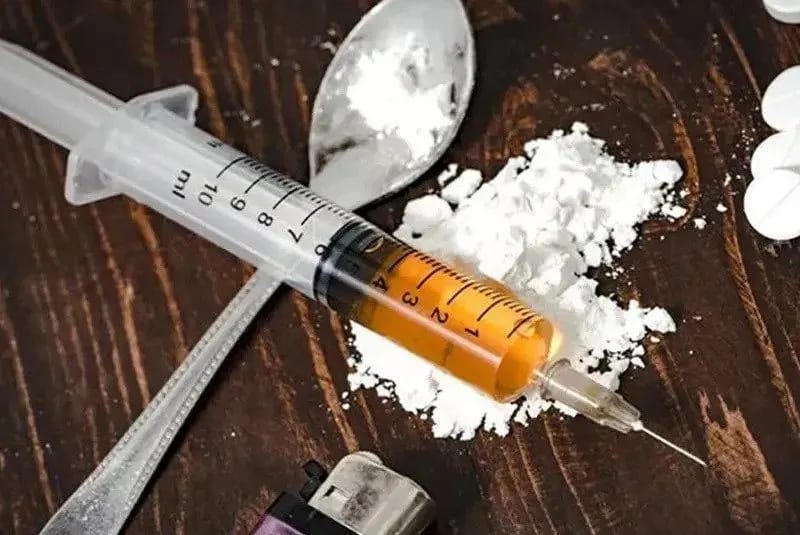
White powder Pure or highly diluted Injected, snorted, or smoked
Brown powder Less pure, often contains impurities Injected or smoked
Black tar Dark, sticky substance (common in the Americas) Usually injected or smoked
—
Mechanism of Action
Heroin rapidly crosses the blood-brain barrier and is converted back to morphine. It binds to mu-opioid receptors in the brain, triggering:
· Pain relief (analgesia)
· Euphoria and intense pleasure
· Respiratory depression (slowed breathing)
· Dopamine release (reinforcing reward pathways)
The speed and intensity of onset depend on the route:
· Injection: 7–10 seconds
· Smoking/Inhalation: 10–15 minutes
· Intranasal (snorting): 15–30 minutes
—
Short-Term Effects
· Desired effects: Euphoria, warmth, heaviness in limbs, reduced anxiety, pain relief
· Undesired effects: Nausea, vomiting, itching, dry mouth, constricted pupils, slowed breathing, confusion
—
Long-Term Risks and Health Consequences
Consequence Description
Tolerance Requiring increasingly larger doses to achieve the same effect
Physical Dependence Withdrawal symptoms when use stops
Addiction (Opioid Use Disorder) Compulsive use despite harm
Infectious Diseases HIV, Hepatitis B/C from needle sharing
Overdose Fatal respiratory depression; can be reversed with naloxone (Narcan)
Organ Damage Kidney, liver, and lung complications
Collapsed Veins From repeated injection
—
Withdrawal Symptoms
Withdrawal typically begins 6–12 hours after the last dose and peaks within 1–3 days. Symptoms include:
· Muscle and bone pain
· Diarrhea and vomiting
· Cold flashes with goosebumps („cold turkey“)
· Insomnia
· Severe cravings
· Restlessness and anxiety
—
Medical Uses
In some countries, diamorphine (pharmaceutical-grade heroin) is used in controlled medical settings for:
· Severe pain management (e.g., terminal cancer patients)
· Treatment of acute myocardial infarction (heart attack)
However, in most jurisdictions, it is strictly prohibited outside clinical research.
—
Treatment and Harm Reduction
Approach Examples
Medication-Assisted Treatment (MAT) Methadone, Buprenorphine, Naltrexone
Behavioral Therapy CBT, contingency management
Harm Reduction Needle exchange programs, supervised injection sites, naloxone distribution
Detoxification Medically supervised withdrawal management
—
Legal Status
Heroin is classified as a Schedule I substance in the U.S. (no accepted medical use) and is prohibited in most countries. Penalties for possession, trafficking, and distribution are severe.
—
Global Impact
· Approximately 9.5 million people worldwide use opioids (including heroin)
· Opioid-related deaths exceed 120,000 annually (WHO data)
· The opioid crisis remains a major public health emergency in North America, Europe, and parts of Asia
—
Key Takeaway
Heroin is a highly addictive and dangerous opioid with no approved medical use in most countries. While it produces intense euphoria and pain relief, the risks of dependence, overdose, and death are extremely high. Effective treatments exist, and harm reduction strategies have been shown to save lives.
—
If you’re researching heroin for academic, journalistic, or harm reduction purposes, authoritative sources include:
· WHO (World Health Organization)
· UNODC (United Nations Office on Drugs and Crime)
· DEA (Drug Enforcement Administration)
· NIDA (National Institute on Drug Abuse)
· CDC (Centers for Disease Control and Prevention)



Beoordelingen
Clear filtersEr zijn nog geen beoordelingen.